Get Ground Hydrant Installation
Ground hydrant installation services help property owners ensure reliable fire protection by connecting to local contractors who install and maintain fire suppression systems.
Ground hydrant installation is an important consideration for property owners seeking reliable access to water in various situations. Whether for emergency preparedness, irrigation needs, or maintenance purposes, having a properly installed ground hydrant can enhance the functionality and safety of a property. Exploring options with experienced local contractors ensures that the installation meets specific site requirements and adheres to best practices, making it easier to compare services and find the right solution for individual needs.
Property owners in the area often turn to local service providers for ground hydrant installation because of their familiarity with regional conditions and regulations. Planning a project of this nature involves assessing the property's layout and understanding the available options for installation methods. Continuing to explore local contractors can help identify the most suitable approach, ensuring that the work is completed efficiently and effectively by professionals who understand the local environment.
- Ground Hydrant Installation - when a property requires reliable access to water for firefighting or emergency situations.
- Fire Protection System Setup - when a facility needs a dedicated water source for fire suppression systems.
- Emergency Water Supply Installation - in areas where existing water infrastructure is insufficient for safety protocols.
- Industrial or Commercial Property Hydrant Setup - for businesses that need a consistent and accessible water source on-site.
- Fire Department Hydrant Connection - when local contractors are needed to connect or upgrade existing fire hydrant networks.
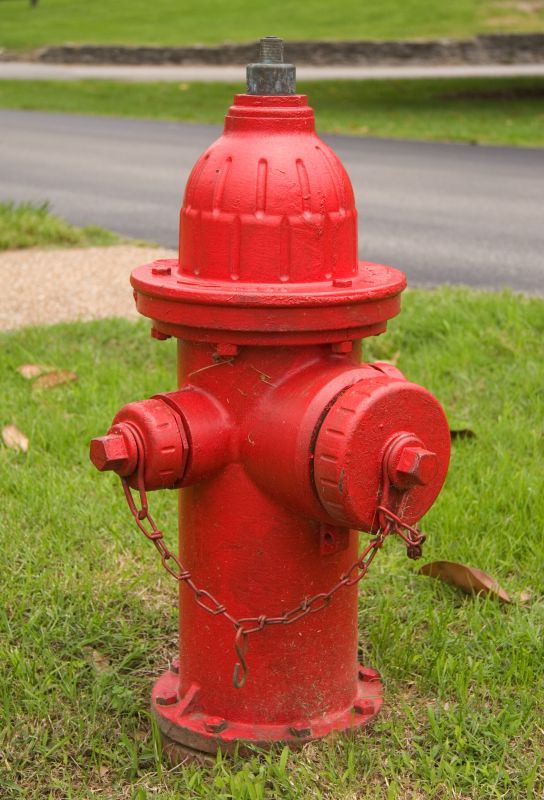
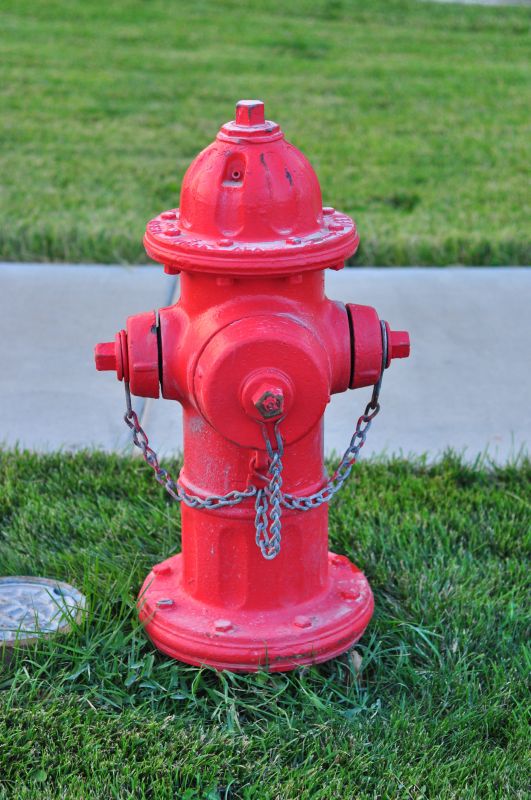
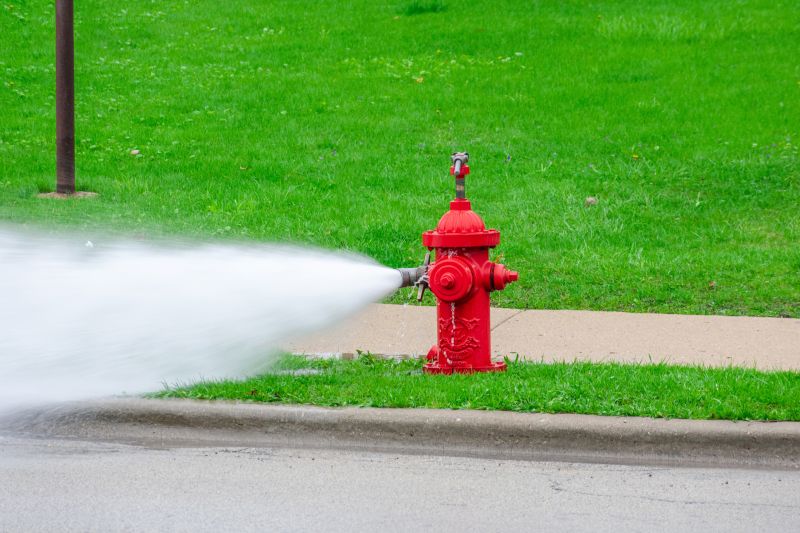
Ground hydrant installation involves placing durable, underground water sources that are easily accessible for firefighting or emergency needs. These systems typically consist of a sturdy valve and outlet installed below ground level, connected to the property’s water supply. Once installed, they provide a reliable and convenient way for fire departments or property owners to access water quickly without the need for temporary hoses or portable tanks. Professional contractors handle the entire process, ensuring that the hydrant is properly integrated into the existing water system and that it meets safety and functionality standards.
This service helps address common problems such as inadequate water access during emergencies, especially in properties where the existing water infrastructure isn’t sufficient for firefighting needs. Without a ground hydrant, property owners might face delays or difficulties when trying to supply water in critical situations. Installing a ground hydrant can also reduce the wear and tear on fire hoses and equipment, as it provides a steady, dedicated water source. For properties in rural areas, large commercial sites, or facilities with extensive grounds, a ground hydrant can be an essential safety feature that ensures quick response times and effective firefighting capabilities.
Typically, ground hydrant installation is used on a variety of property types. Large residential estates, agricultural properties, industrial sites, and commercial complexes often benefit from having a ground hydrant installed. These properties tend to have extensive outdoor spaces or water systems that require reliable access points for firefighting. Additionally, properties located in areas where municipal water access is limited or where fire codes mandate the presence of fire protection infrastructure are common candidates. By working with local contractors experienced in hydrant installation, property owners can ensure their site is prepared for emergencies and meets necessary safety standards.
Choosing to install a ground hydrant can be a practical solution for property owners who want to enhance safety and ensure quick access to water during emergencies. Whether for a large residential property, a farm, or a commercial facility, professional service providers can assess the site, recommend the appropriate type of hydrant, and handle the installation process efficiently. Contacting local contractors specializing in ground hydrant installation helps property owners find the right solutions tailored to their specific needs, providing peace of mind and improved safety for everyone on the property.
The overview below groups typical Ground Hydrant Installation projects into broad ranges so you can see how smaller, mid-sized, and larger jobs often compare in your area.
In many markets, a large share of routine jobs stays in the lower and middle ranges, while only a smaller percentage of projects moves into the highest bands when the work is more complex or site conditions are harder than average.
Smaller Repairs - Typical costs for minor ground hydrant repairs or maintenance range from $250 to $600. Many routine jobs fall within this middle range, though prices can vary based on specific issues and site conditions.
Basic Installations - Installing a new ground hydrant usually costs between $1,000 and $2,500. Most standard projects land in this range, with fewer projects reaching the higher end for more complex setups.
Full Replacement - Replacing an existing ground hydrant can cost from $2,500 to $5,000 or more. Larger, more complex projects, such as extensive piping work or site modifications, tend to push costs into the higher tiers.
Custom or Large-Scale Projects - Large, custom ground hydrant systems or multi-unit installations can exceed $5,000, depending on scope and site requirements. These projects are less common but handled by local contractors experienced in complex setups.
Actual totals will depend on details like access to the work area, the scope of the project, and the materials selected, so use these as general starting points rather than exact figures.
Underground Water Line Installation - this project involves planning and installing underground piping systems, requiring similar excavation and safety skills as ground hydrant setup.
Fire Sprinkler System Installation - installing fire sprinkler systems involves underground piping and precise planning, aligning with the skills used in ground hydrant projects.
Irrigation System Setup - designing and installing underground irrigation lines shares techniques with ground hydrant installation, including trenching and pipe fitting.
Storm Drainage System Construction - constructing underground storm drainage involves excavation and pipe installation, similar to the planning and tools used for ground hydrants.
Utility Pole and Conduit Installation - setting up underground conduits for utilities requires excavation and careful planning, paralleling ground hydrant installation processes.
Water Main Replacement - replacing or installing water mains involves underground work and pipe connections akin to ground hydrant system setup.
When comparing local contractors for ground hydrant installation, it’s important to consider their experience with similar projects. Homeowners should look for service providers who have a proven track record of successfully completing ground hydrant installations or related work in residential settings. Asking for examples of past projects or verifying the types of work they have handled can help ensure the contractor’s expertise aligns with the specific requirements of the job. A contractor’s familiarity with the local environment and common site conditions can also contribute to a smoother installation process.
Clear, written expectations are essential when evaluating potential service providers. Homeowners should seek detailed descriptions of the scope of work, materials to be used, and any relevant procedures or standards the contractor follows. Having this information in writing helps prevent misunderstandings and provides a reference point throughout the project. It’s also beneficial to discuss how the contractor plans to handle potential challenges or unforeseen issues, ensuring that expectations are transparent and agreed upon before work begins.
Reputable references and effective communication are key factors in selecting a reliable contractor. Homeowners can ask for references from previous clients to gain insight into the contractor’s professionalism, quality of work, and ability to meet deadlines. Good communication throughout the process-such as responsiveness to questions, clarity in explanations, and openness to feedback-can significantly influence the overall experience. It’s important to work with service providers who demonstrate transparency and attentiveness, helping to foster a smooth and successful ground hydrant installation.
Property owners use Ground Hydrant Installation services for practical projects around their homes and businesses. This guide focuses on everyday jobs and straightforward project options.
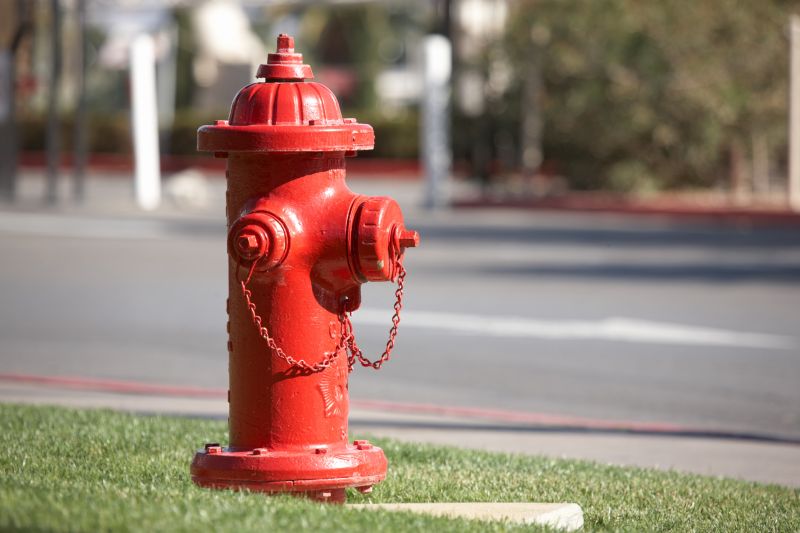
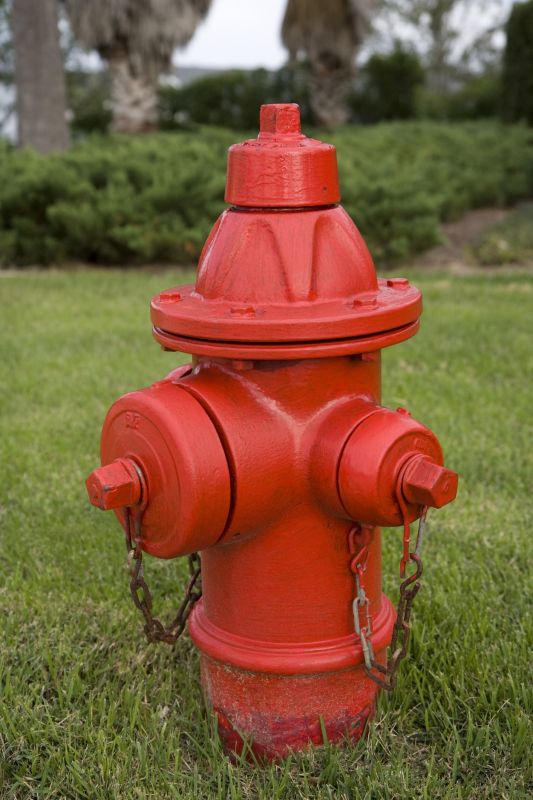
Ground hydrant installation is a common project for property owners looking to improve fire safety and ensure quick access to water sources in case of emergencies. Local contractors are often called upon to install these systems in commercial properties, industrial sites, or large residential complexes where reliable water access is critical. Whether upgrading existing infrastructure or installing new units, property owners seek experienced service providers who can handle the technical aspects of the work efficiently and ensure the system functions properly when needed.
In addition, property owners may pursue ground hydrant installation during property development or renovation projects to meet safety regulations or enhance site preparedness. Local service providers can assist with assessing site conditions, recommending suitable hydrant types, and managing the installation process. This helps property owners maintain compliance and ensure that fire protection systems are properly integrated into their overall safety plans.
What is ground hydrant installation? Ground hydrant installation involves setting up underground water access points that provide convenient outdoor water supply for firefighting, irrigation, or other needs.
Who can handle ground hydrant installation? Local contractors experienced in underground water systems can assess the site and install ground hydrants according to safety and code standards.
What are the benefits of installing a ground hydrant? Installing a ground hydrant offers easy access to water in outdoor areas, reducing the need for long hoses and improving response times during emergencies or watering tasks.
What factors influence ground hydrant placement? Factors include water source proximity, accessibility, terrain, and local regulations, which help determine the optimal location for installation.
How do local service providers ensure proper ground hydrant installation? They evaluate the site, select appropriate equipment, and follow best practices to ensure a reliable and functional underground water access point.
Ground Hydrant Installation for Fire Safety - Property owners can enhance fire protection by installing ground hydrants in strategic locations around their property.
Water Supply Solutions for Rural Properties - Rural or large landowners may use ground hydrants to access water easily for irrigation or livestock needs.
Emergency Preparedness Upgrades - Installing ground hydrants can provide reliable water sources for emergency response or disaster readiness plans.
Landscaping and Irrigation Projects - Ground hydrants can be used to support large-scale watering systems for gardens, lawns, or agricultural areas.
If you are thinking about Ground Hydrant Installation for a property, this guide is meant to help you understand the work, the typical project types, and how different options might fit your plans.
When you are ready, you can use the quote form on this page to share a few details about your project. From there, local pros can review the basics and respond with options that match what you have in mind.